
The History of Hexham
From an Anglo-Saxon monastery on a windswept headland to one of the North East's most cherished coastal villages — over 1,300 years of history, heritage, and the people who shaped this place.

1,300 Years at a Glance
The key moments that shaped Hexham from an Anglo-Saxon monastery into a thriving coastal village.
Anglo-Saxon Monastery
An early Christian monastery was founded on the headland at the mouth of the Tyne, probably in the 7th century. St Oswin, the murdered king of Deira, was buried here in 651 AD, and his tomb became a place of pilgrimage. The monastery grew into one of the most important religious houses in Northumbria.
Read the full story →Viking Raids
The monastery was raided by Vikings in 800, 832, 865, and 870. In 875, Danish invaders destroyed the settlement entirely. The site lay in ruins for two centuries — a period of abandonment that erased almost all physical traces of the Anglo-Saxon community.
Read the full story →Benedictine Priory Refounded
The monastery was refounded as a Benedictine priory in 1083 and placed under the authority of St Albans Abbey from 1090. Over the following centuries, the monks built the substantial priory church whose soaring lancet windows still frame views of the North Sea today.
Read the full story →Medieval Castle and Fortress
Hexham's strategic position at the mouth of the Tyne made it a military prize. A royal castle was built around the priory, and the headland was fortified with curtain walls and a magnificent gatehouse. Edward I held parliament here in 1296. The priory was dissolved in 1539 and the site converted into a coastal fortress.
Read the full story →English Civil War
Hexham Castle was garrisoned and besieged during the English Civil War. The castle changed hands between Royalist and Parliamentarian forces, and the fighting caused significant damage to the medieval priory buildings. The military occupation continued long after the war ended.
The Spanish Battery
Henry VIII stationed Spanish mercenaries on the headland to defend the river mouth, giving the battery its name. The site was fortified continuously from the Tudor period through both World Wars, with heavy coastal guns mounted here during WWII as part of the Tyne's anti-invasion defences.
Read the full story →Volunteer Life Brigade
A double shipwreck on the Black Middens rocks killed 32 people on 24 November 1864. The tragedy led directly to the founding of the Hexham Volunteer Life Brigade — the world's first volunteer coastal rescue service. The TVLB continues to save lives over 160 years later, operating from the Watch House above the river mouth.
Read the full story →Victorian Resort Era
The arrival of the railway transformed Hexham from a garrison village into a fashionable seaside resort. Grand hotels, promenades, and bathing facilities were built. Hexham Station, with its magnificent glazed roof, opened in 1882. The nearby fishing village of Cullercoats attracted a colony of artists, including the American painter Winslow Homer.
Read the full story →Hexham Station Market
The restored Victorian station became home to a weekend market that has grown into one of the North East's most popular attractions, drawing thousands of visitors every Saturday and Sunday. With over 150 stalls beneath the glass and ironwork canopy, the market helped revitalise the village centre.
Read the full story →Thriving Coastal Village
Hexham is one of the most sought-after places to live in the North East — known for its beaches, independent restaurants, heritage sites, and strong community. The headland that has drawn monks, soldiers, and artists for over a thousand years continues to define this remarkable place.
Heritage Articles
In-depth stories about the people, buildings, and events that shaped Hexham.
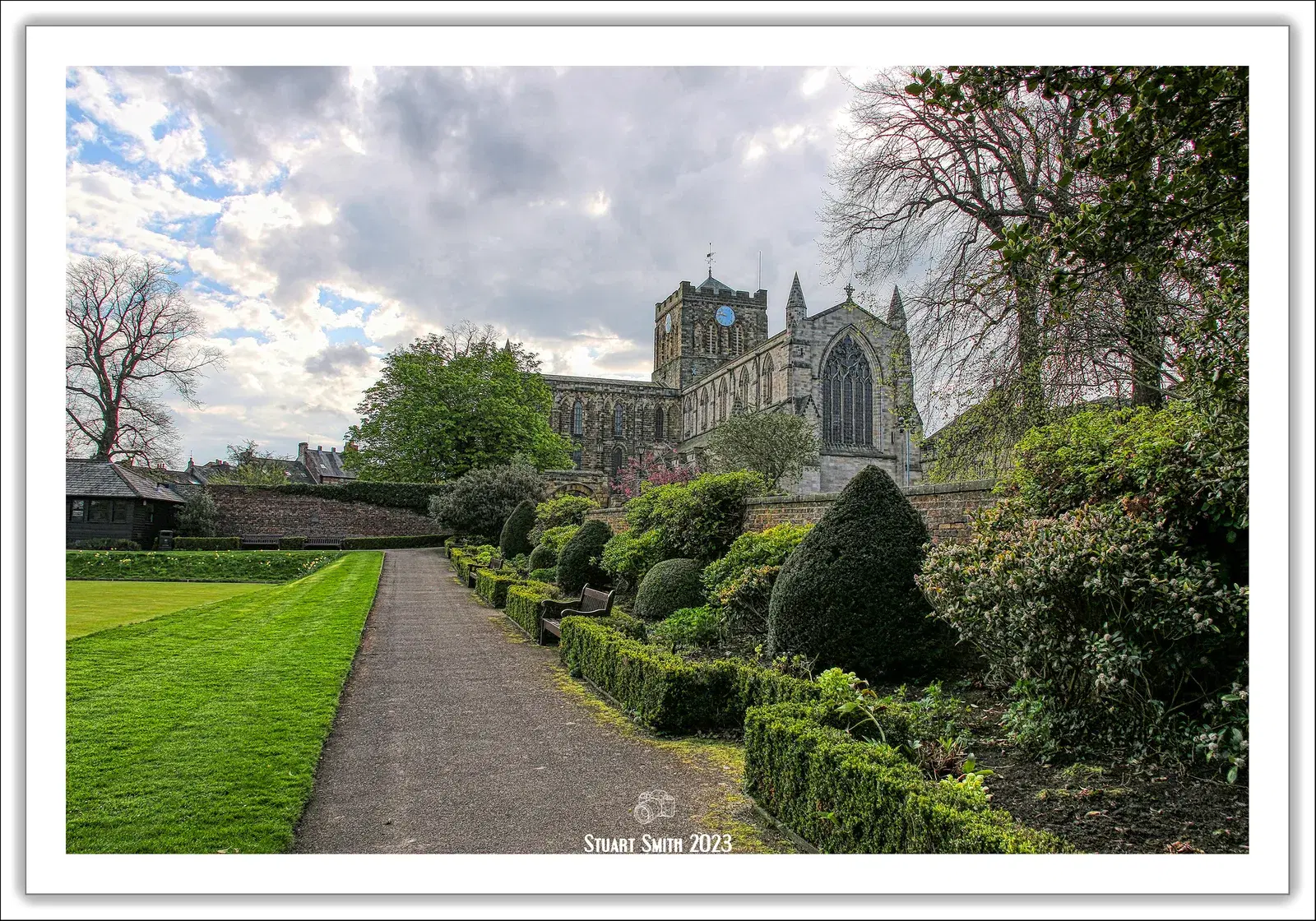
Hexham Abbey: The Complete Guide
A 1,350-year-old Saxon crypt, the Frith Stool, Acca's Cross, the Night Stair, and Dance of Death panels, everything you need to know about visiting Hexham Abbey.
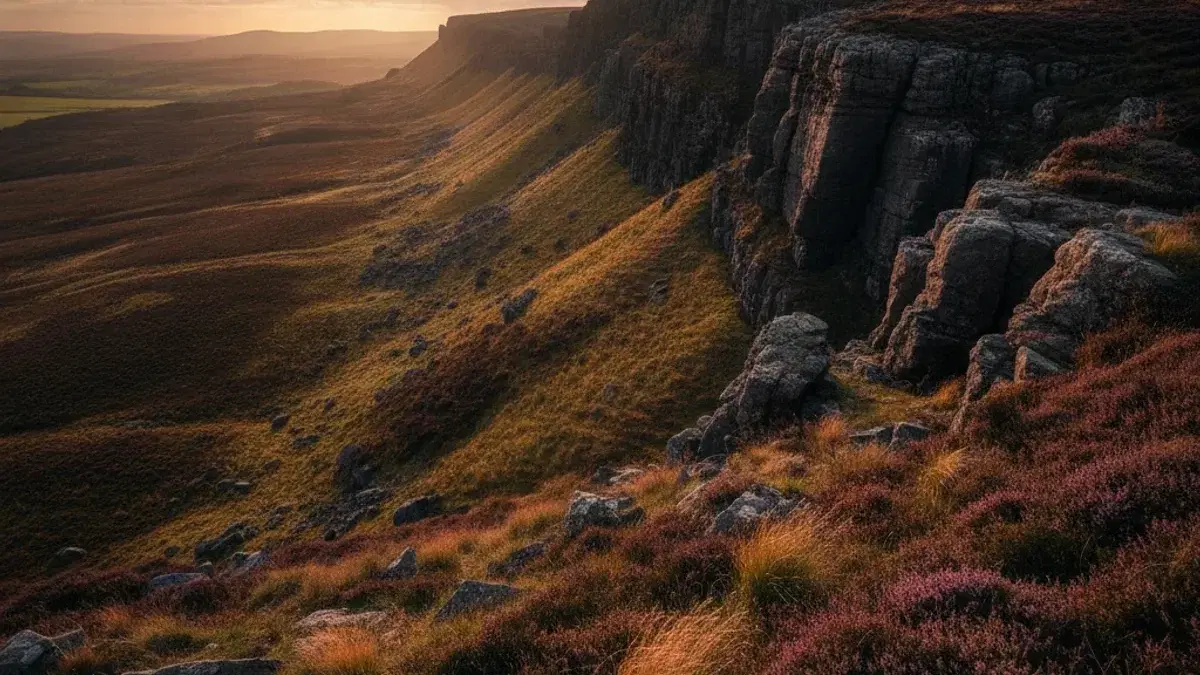
Volunteer Voices Exhibition Opens at The Sill
A new exhibition at The Sill near Bardon Mill tells the story of the people who have looked after Northumberland National Park for more than sixty years. Entry is free.
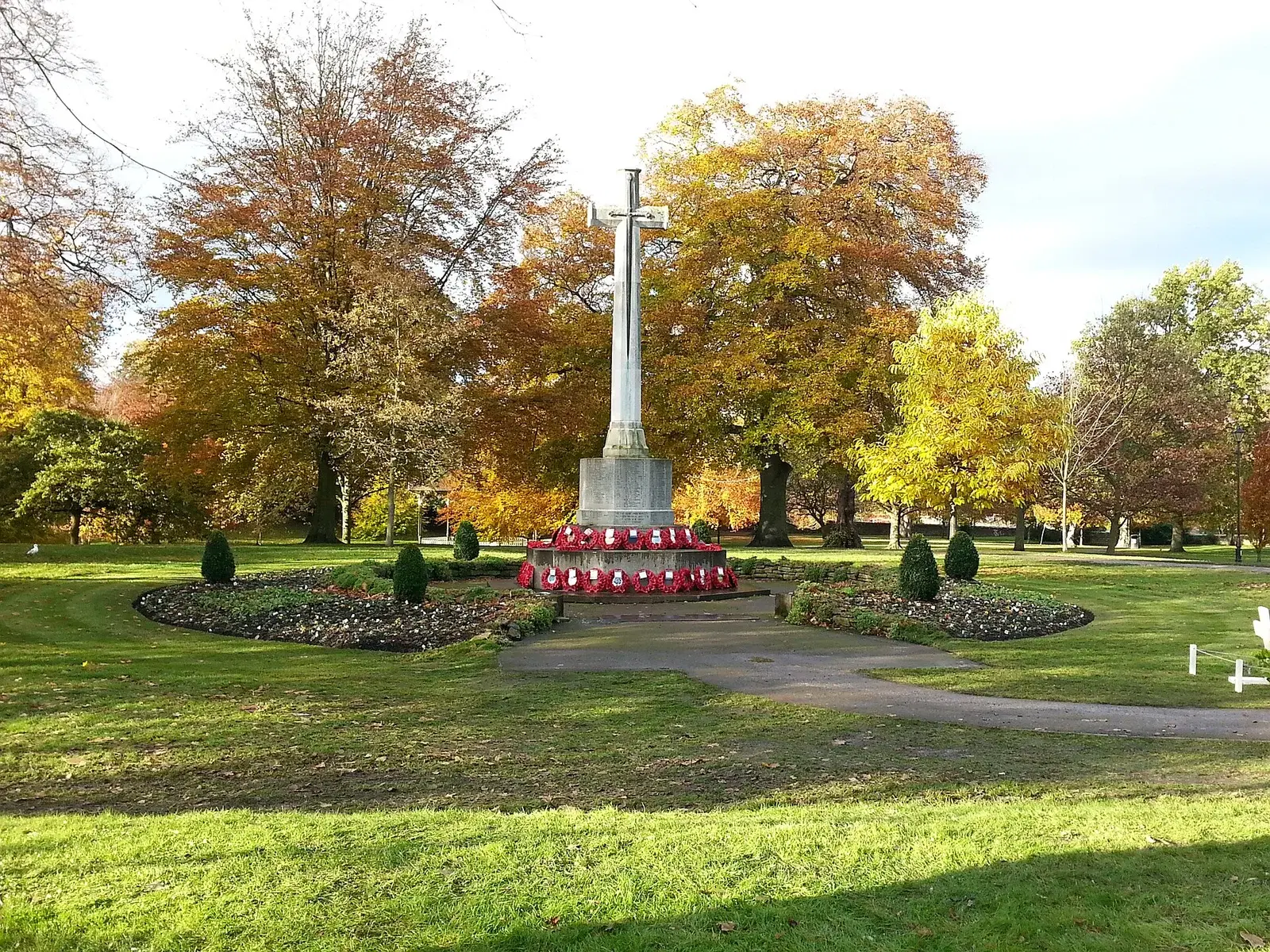
Hexham in World War Two
How a Tyne Valley market town lived through the Second World War, from evacuees off bomb-blasted Tyneside and the wounded of Dunkirk arriving at the emergency hospital to the Home Guard, the home front and the tragedies that touched Tynedale.
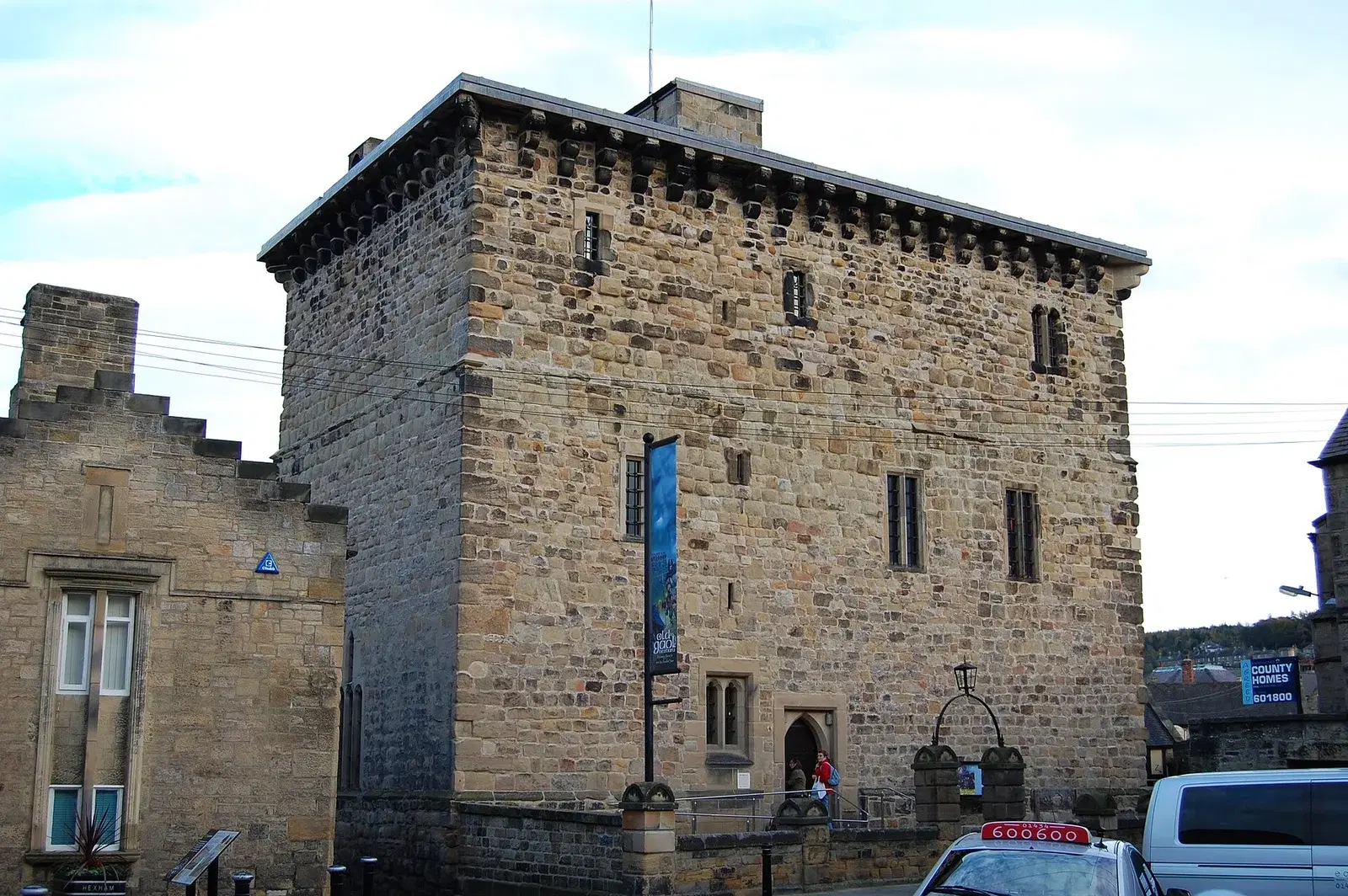
The Lost Buildings of Hexham
From the Gem Picture House that burned down to the vanished tanneries of Gilesgate, the demolished House of Correction and the old tenements cleared for Beaumont Street, here are the Hexham landmarks that time and the demolition men took away.
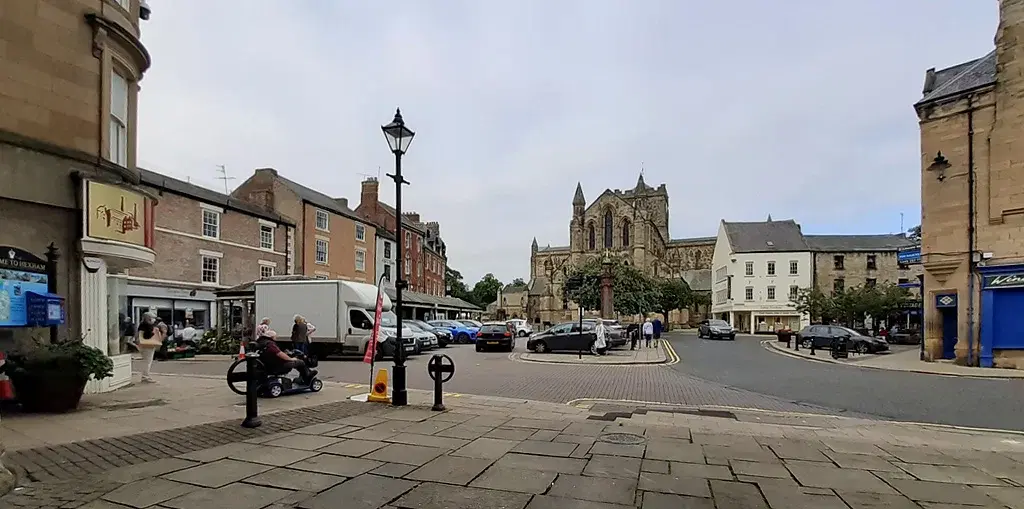
The History of Hexham's Shopping Streets
How Hexham's shopping quarter grew from Saxon hamlets into a busy market town. The story of the Market Place and Shambles, Fore Street, Priestpopple, Battle Hill, Hencotes and St Mary's Chare.
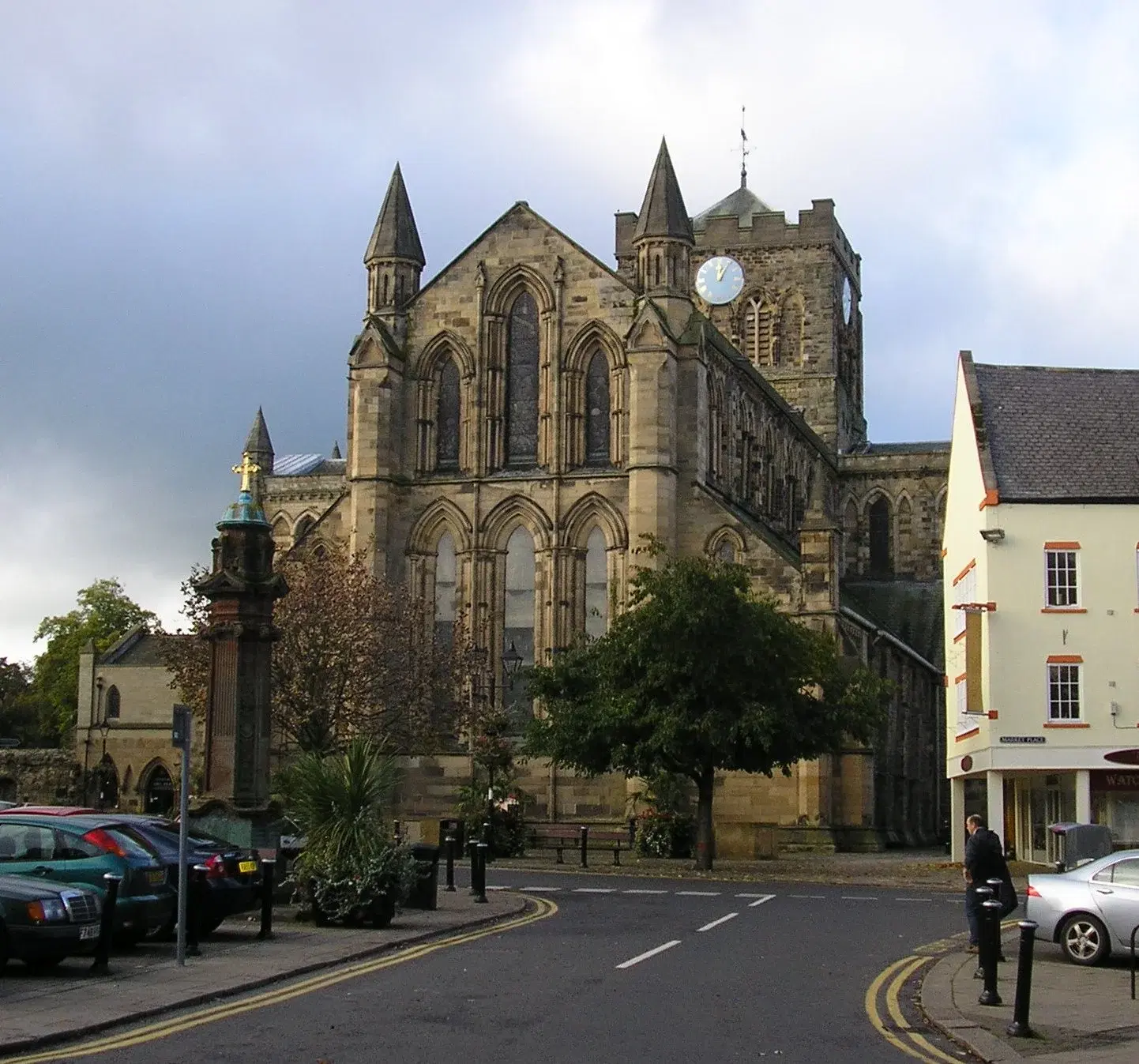
Interesting Facts About Hexham
From England's oldest purpose-built prison and a 1,300-year-old Saxon crypt to a bloody militia riot, a glove-making boom and one of the country's most scenic racecourses, here are the stories that make Hexham so distinctive.
Hexham Abbey Festival to Crown the Abbey's 1,350th Anniversary Year
The Hexham Abbey Festival of Music and Arts returns from 26 to 29 September, the centrepiece of a year marking 1,350 years since the Abbey's foundation in 674 AD, with around 200 schoolchildren and Haydn's The Creation.
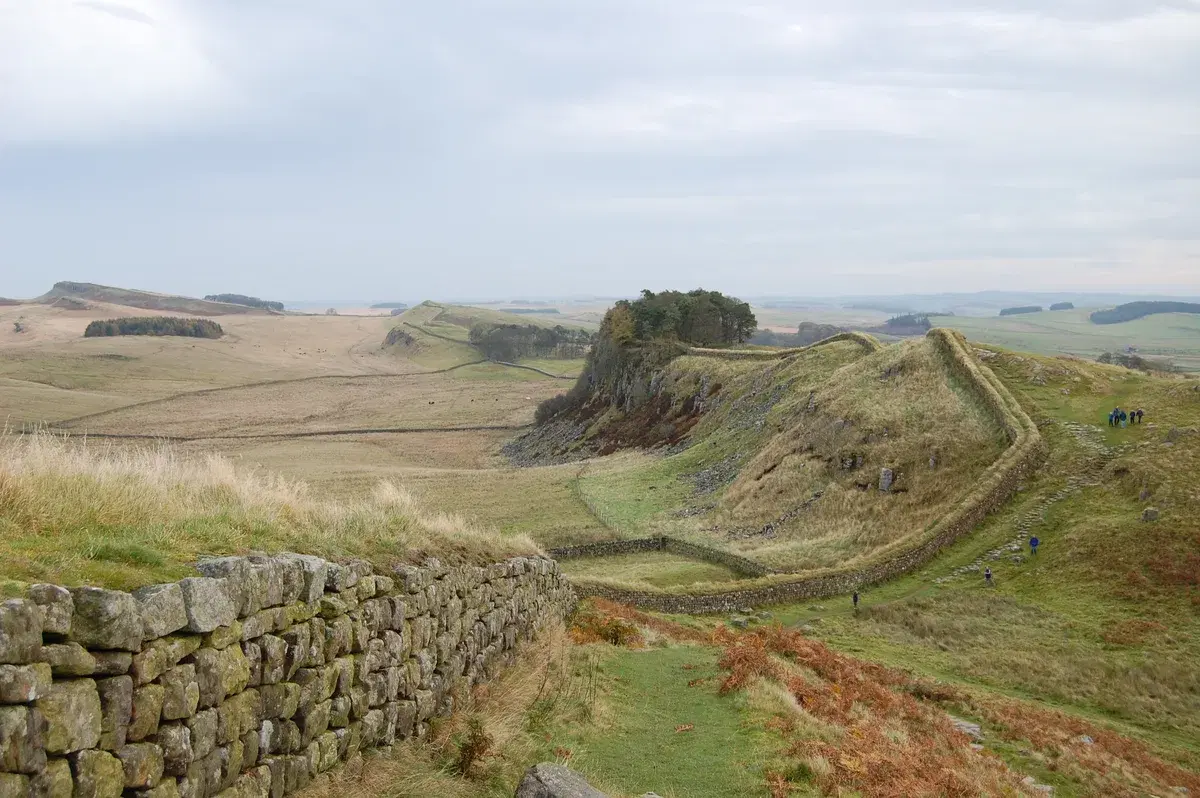
Hexham on Screen: Film and TV Locations
From the lost Sycamore Gap tree of Robin Hood: Prince of Thieves to Vera on the Shambles, a guide to the film and television made along the Wall and in Hexham.
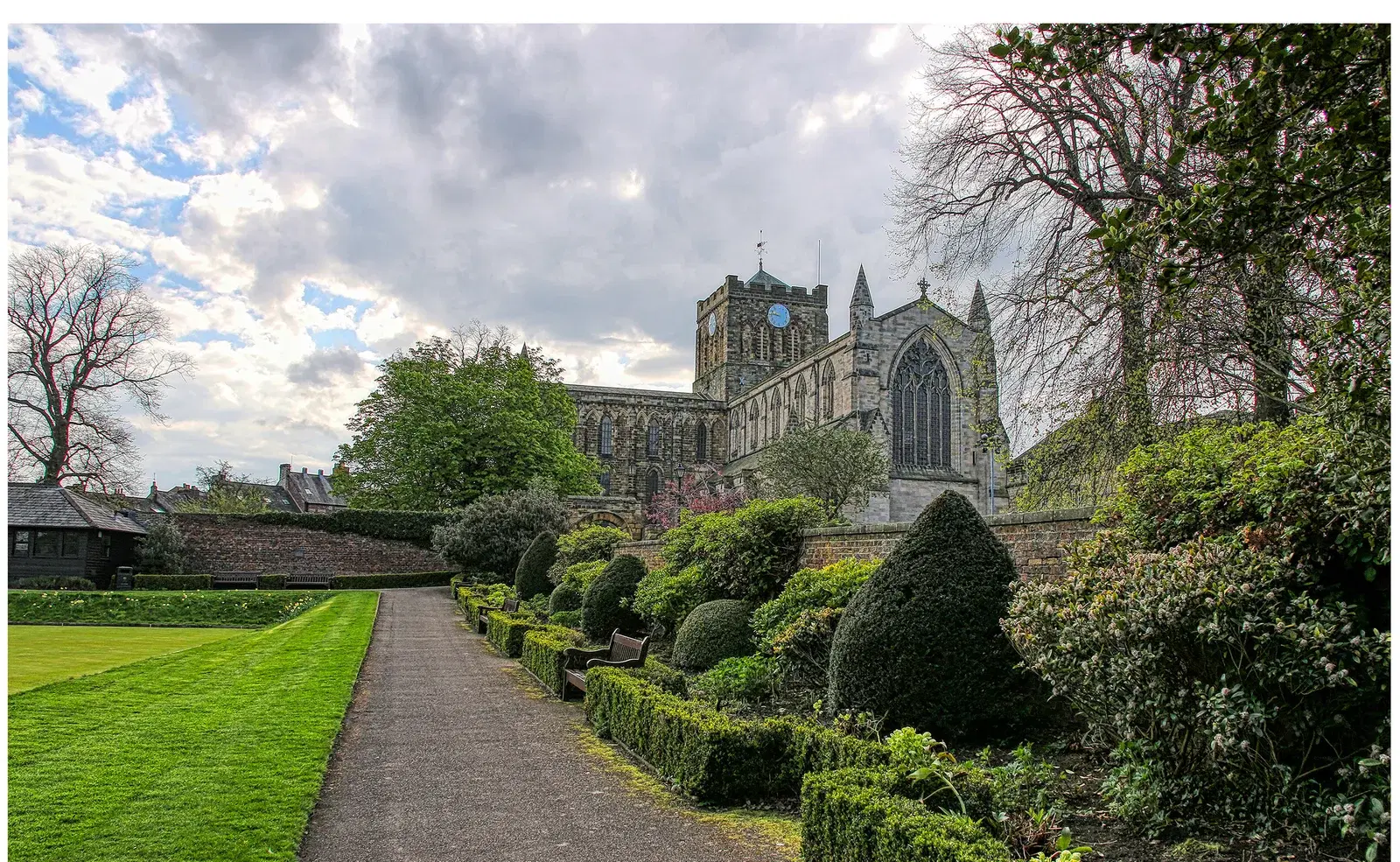
Hexham Abbey's 'Hope and Resilience' Exhibition Marks the Somme's 110th Anniversary
A volunteer-led exhibition at Hexham Abbey tells the First World War stories of local families, the 4th Northumberland Fusiliers and Tynedale's home front, and will live on as a permanent digital archive.
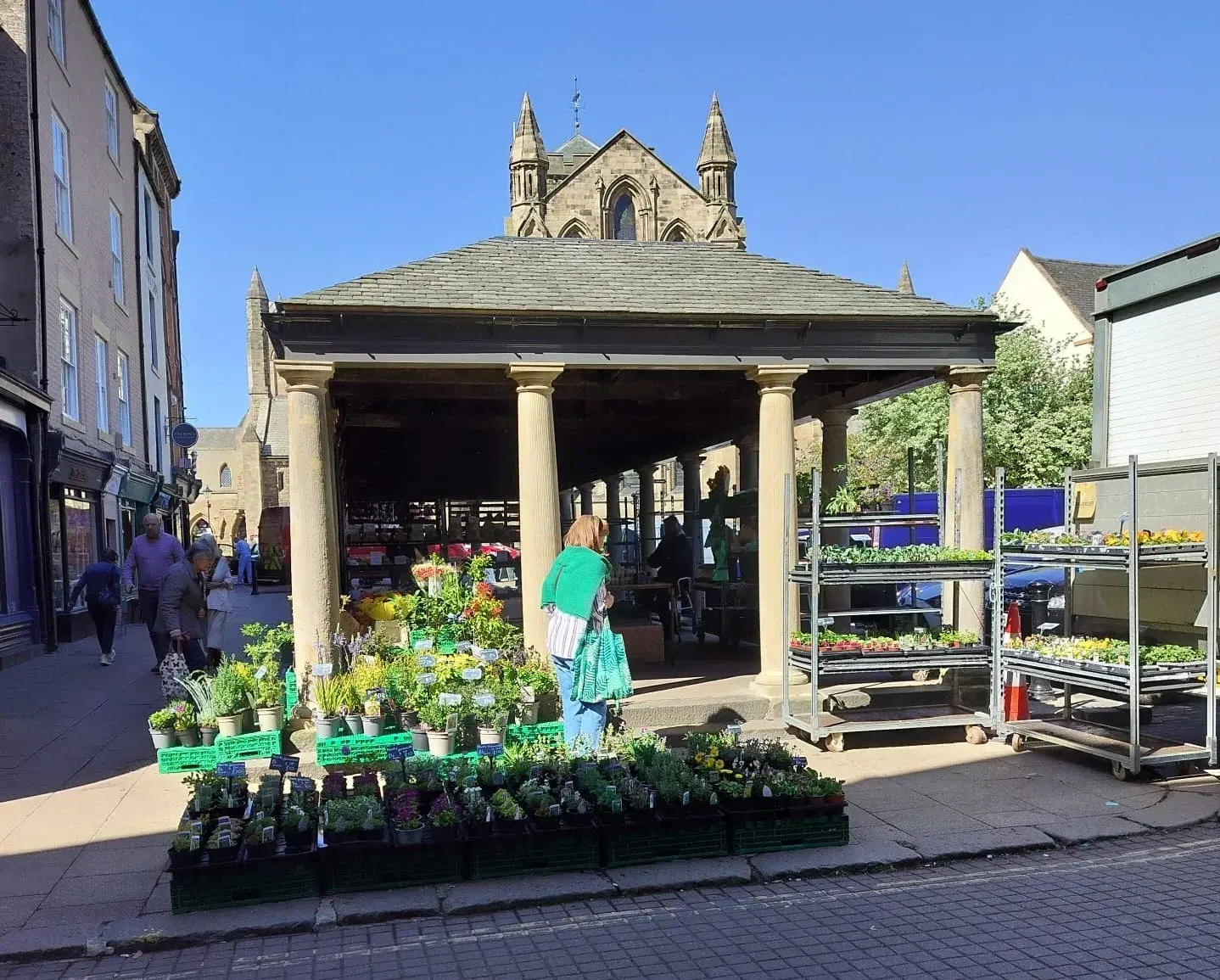
Hexham Shambles to Close for a Week as £400,000 Restoration Nears Completion
The historic Shambles market shelter closes from 20 to 25 July for the final phase of its restoration, with traders moving to the Abbey Flags and a reopening on 26 July.
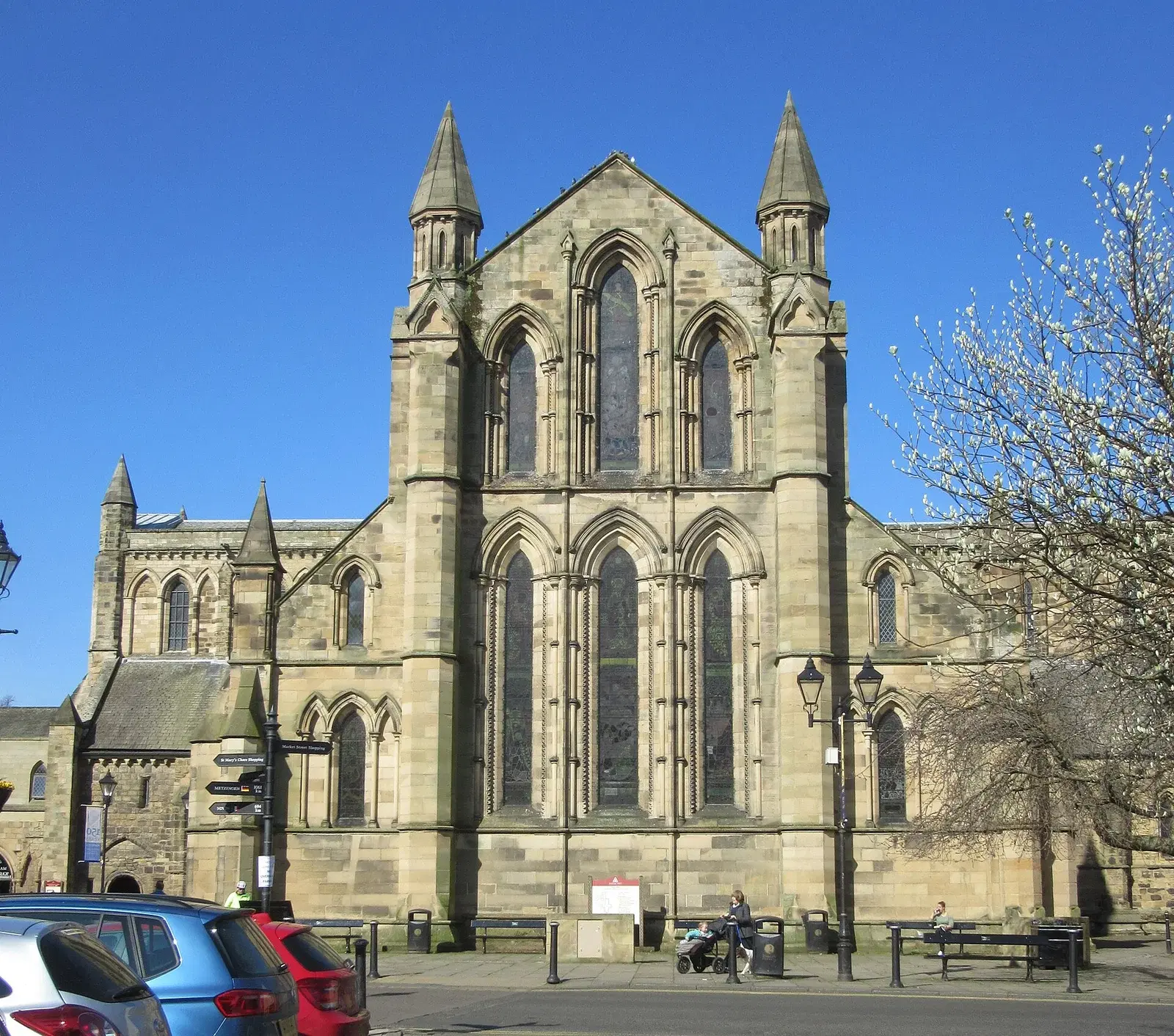
Hexham Abbey Wins £138,000 Lottery Grant to Conserve Its Medieval Treasures
Hexham Abbey has secured £138,088 from the National Lottery Heritage Fund to develop plans for conserving its medieval panel paintings and grave covers.
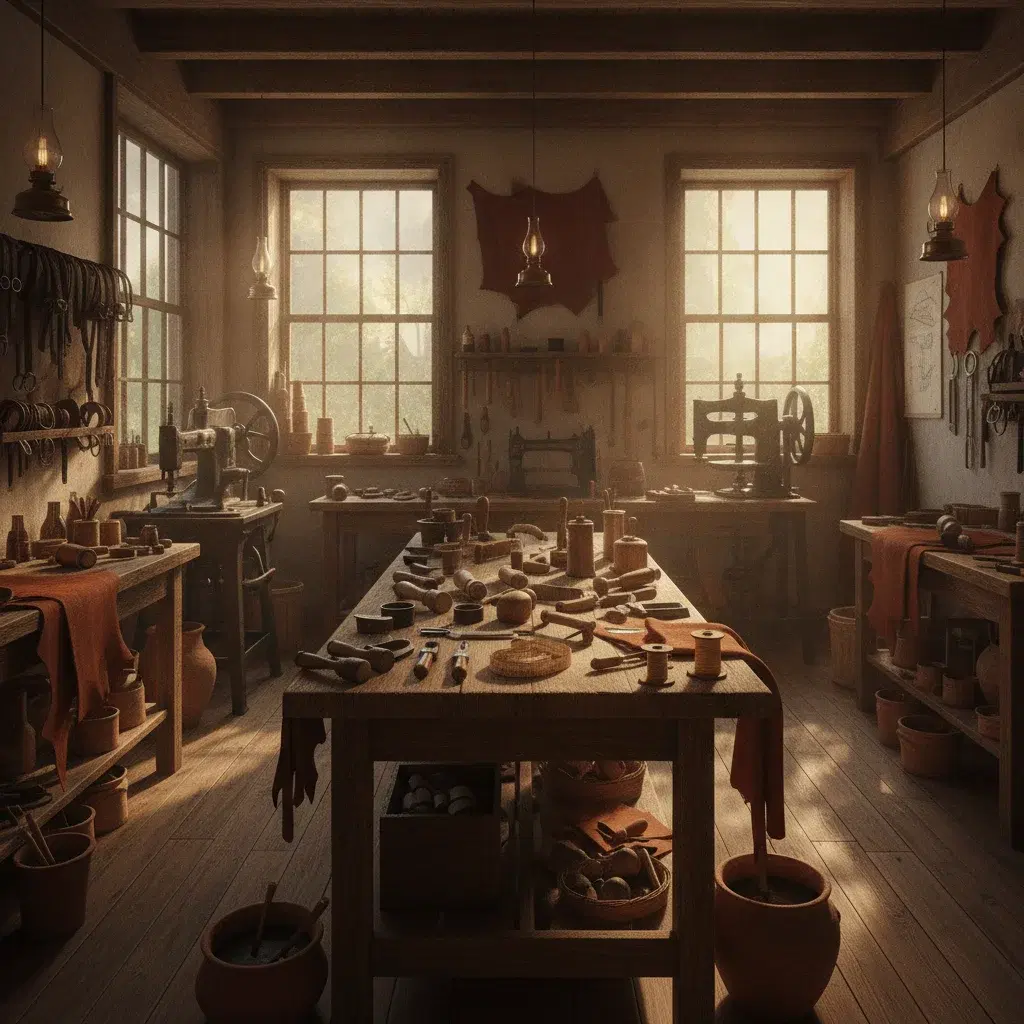
Historic Trades and Crafts of Hexham
Leather tanning, the Hexham Tans glove trade, Fentimans botanical brewery, corn milling, and the railway.
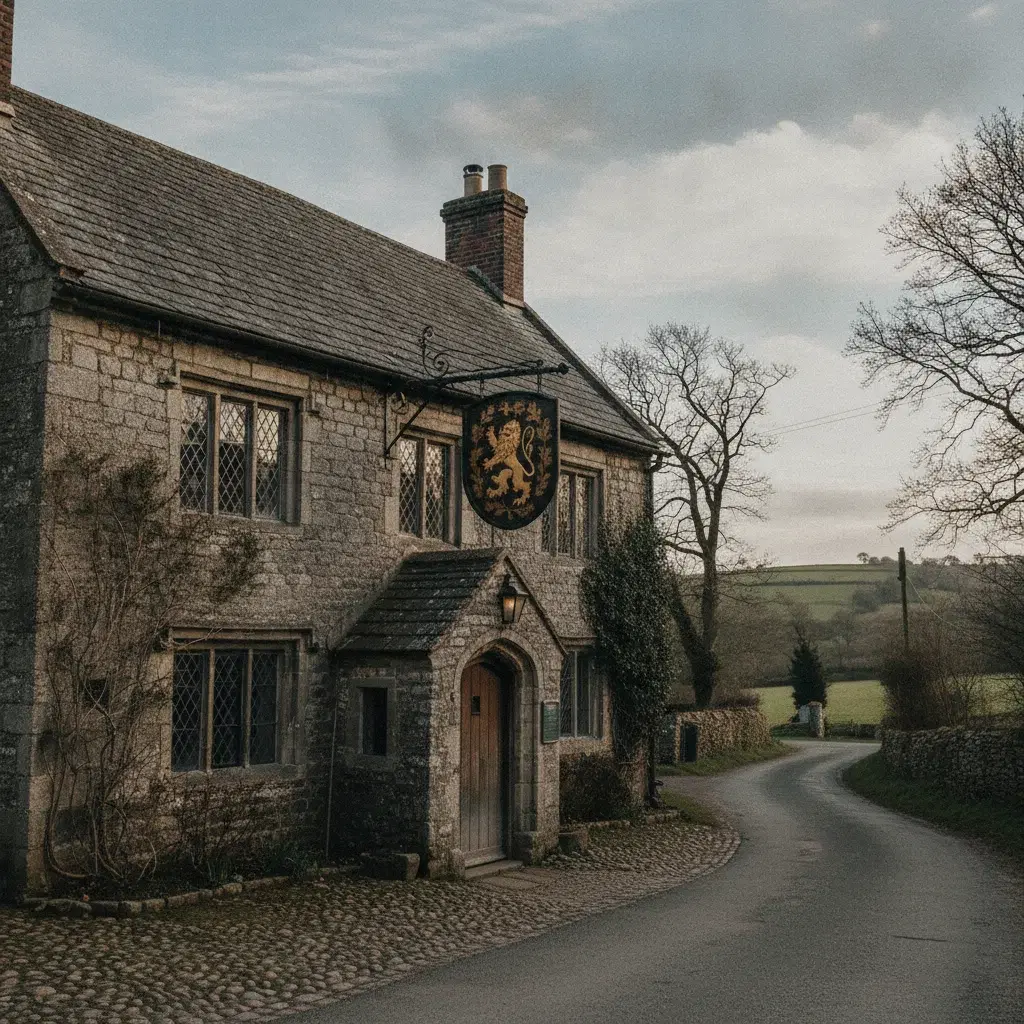
The Oldest Pubs in Hexham
A 1300s mill site, a 1750s drovers' inn, an 1882 Victorian tap room, and a genuine coaching inn.
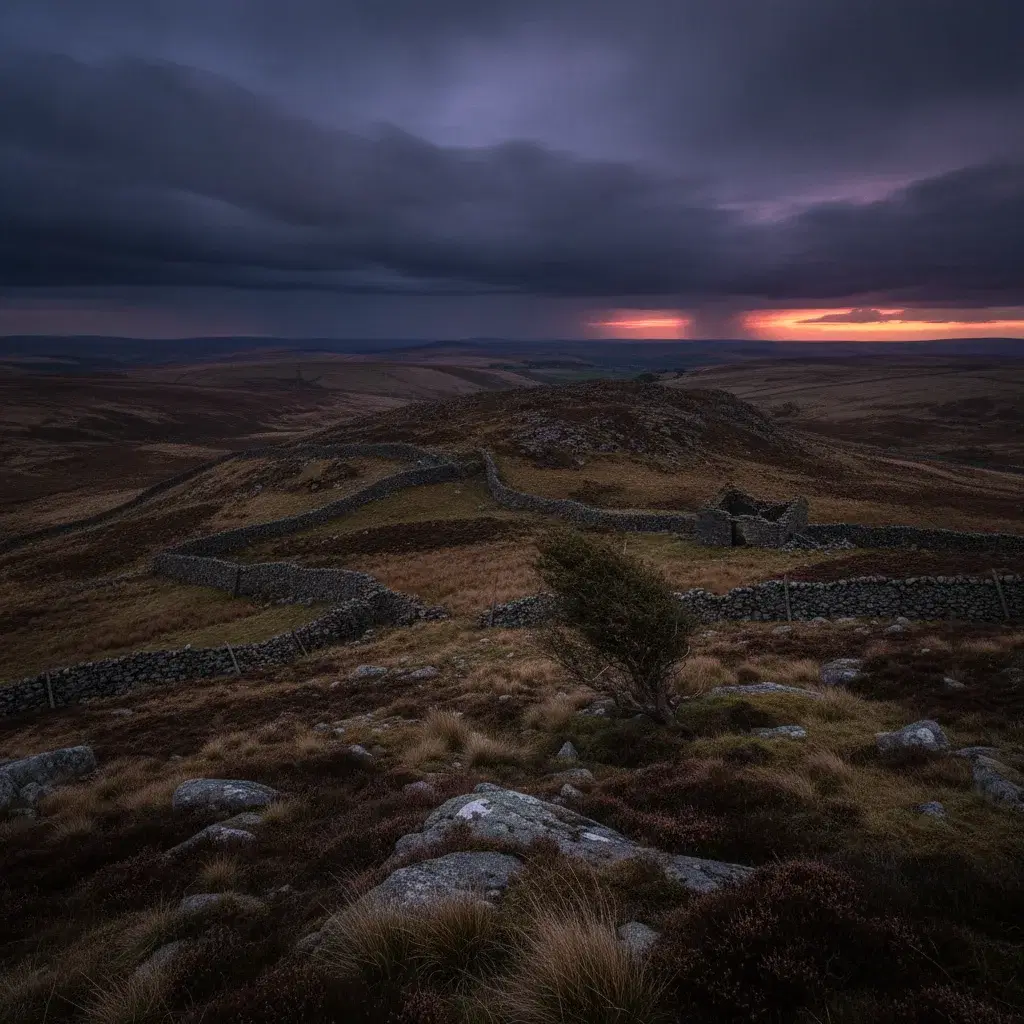
The Border Reivers and Hexham
Four centuries of raiding, feuding, and rough justice, how the Border Reivers shaped Hexham and the Tyne Valley.
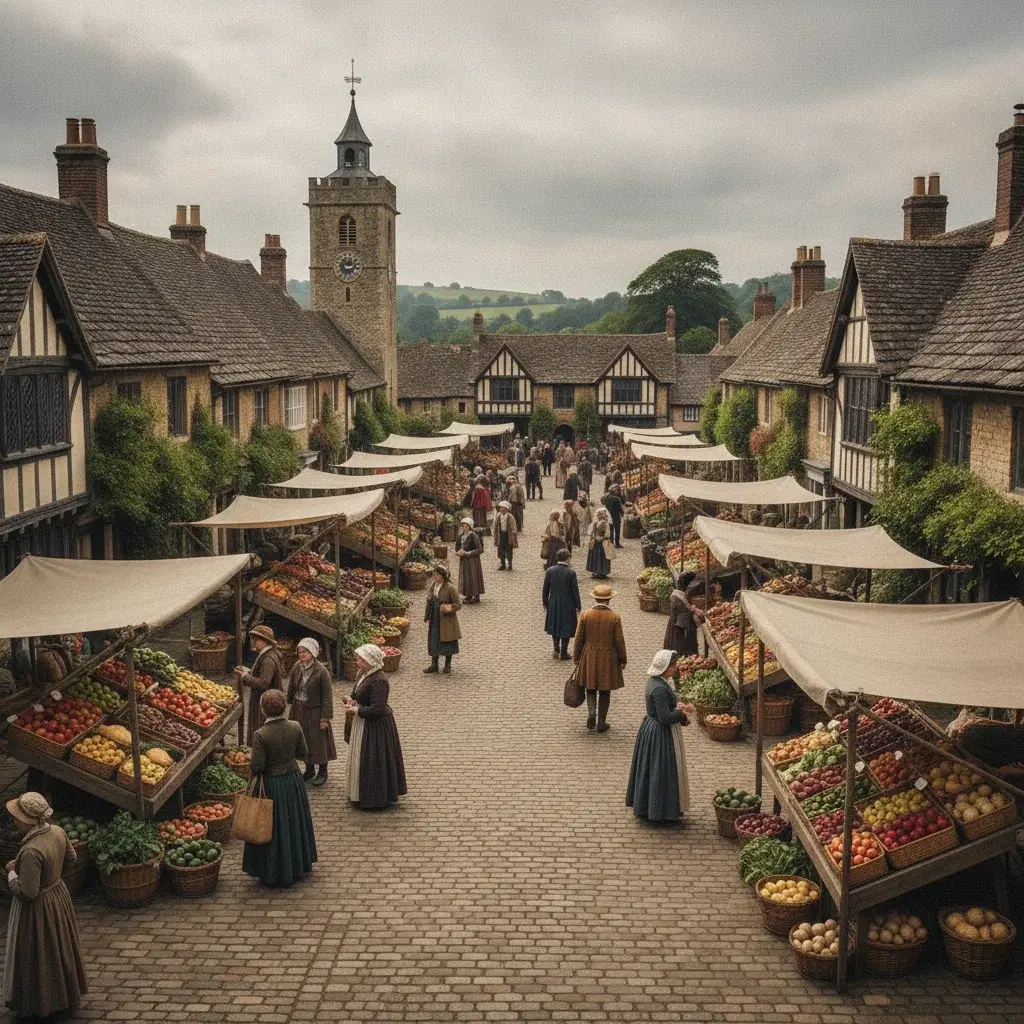
Hexham's Market: 800 Years of Trade
A market charter from 1239, the Grade II* Shambles, and a twice-monthly farmers' market, the story of Hexham's 800-year trading tradition.
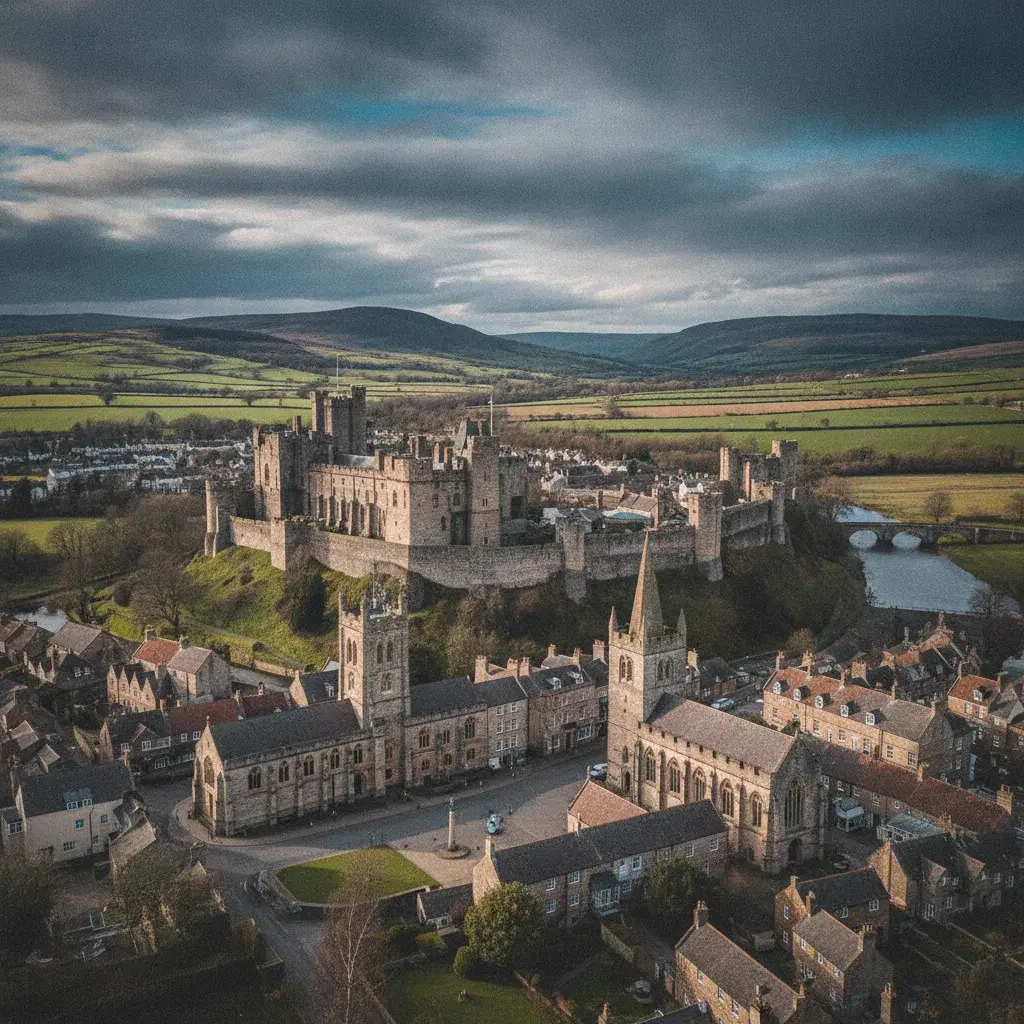
Famous People from Hexham
A haematology pioneer, a war poet, a TV star turned pop phenomenon, and a rock musician, the remarkable people born in this Northumberland market town.
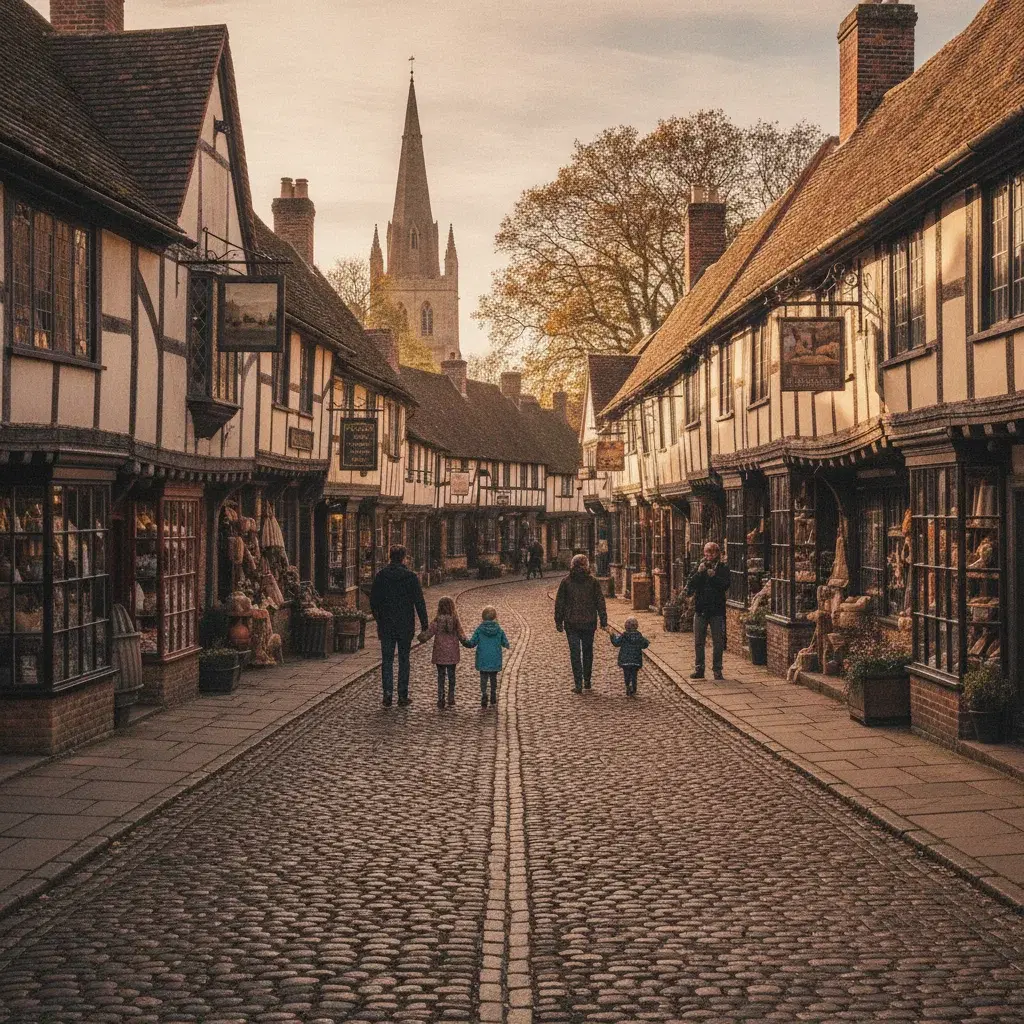
Heritage Walking Trail: A Self-Guided Tour of Hexham
A 2-mile loop through 1,350 years of history, Hexham Abbey, the Market Place, Moot Hall, Old Gaol, and Sele Park in 90 minutes.
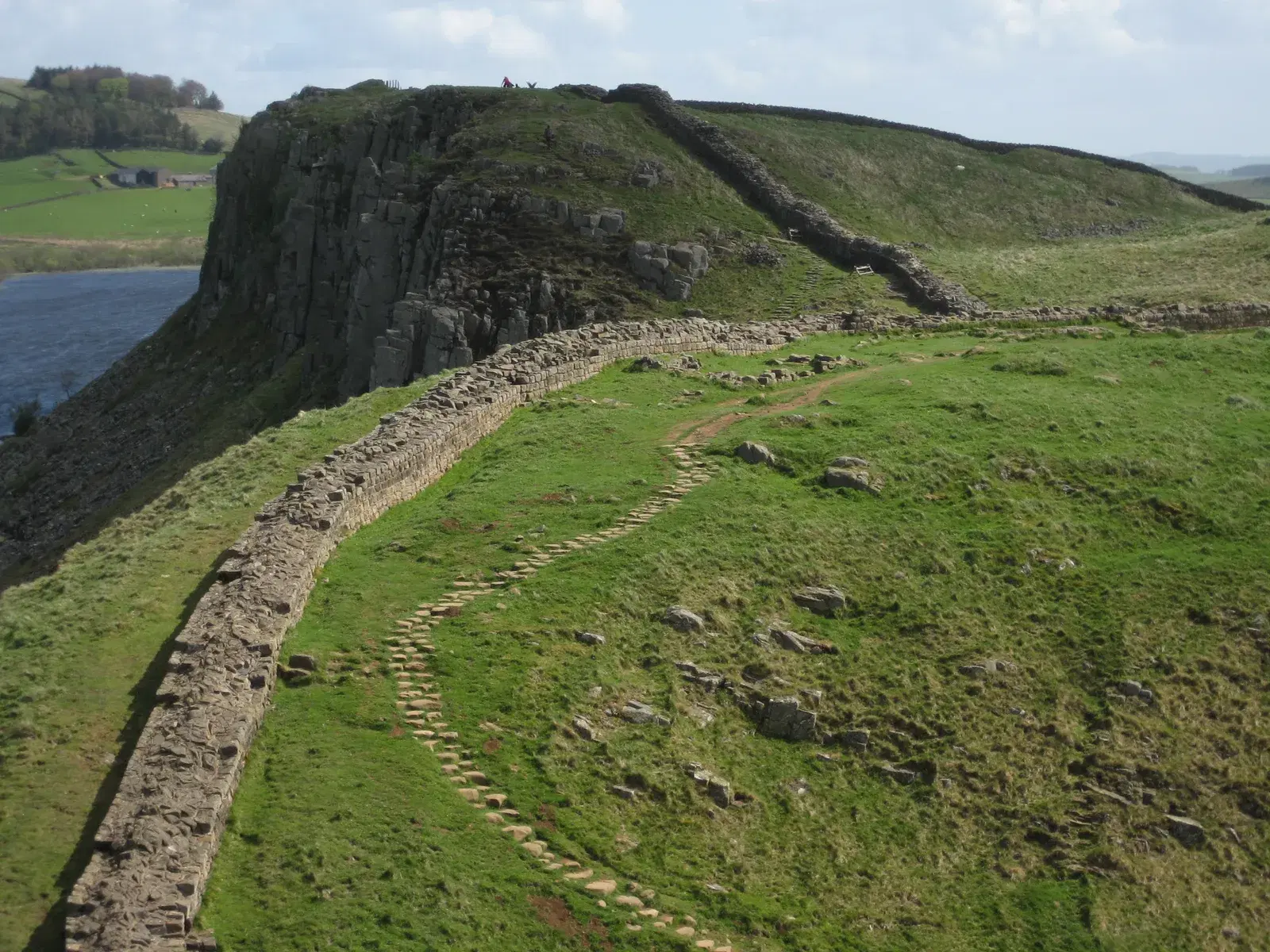
Hadrian's Wall from Hexham: A Visitor's Guide
Chesters, Vindolanda, Housesteads, and Corbridge, a practical guide to visiting Hadrian's Wall sites from Hexham.
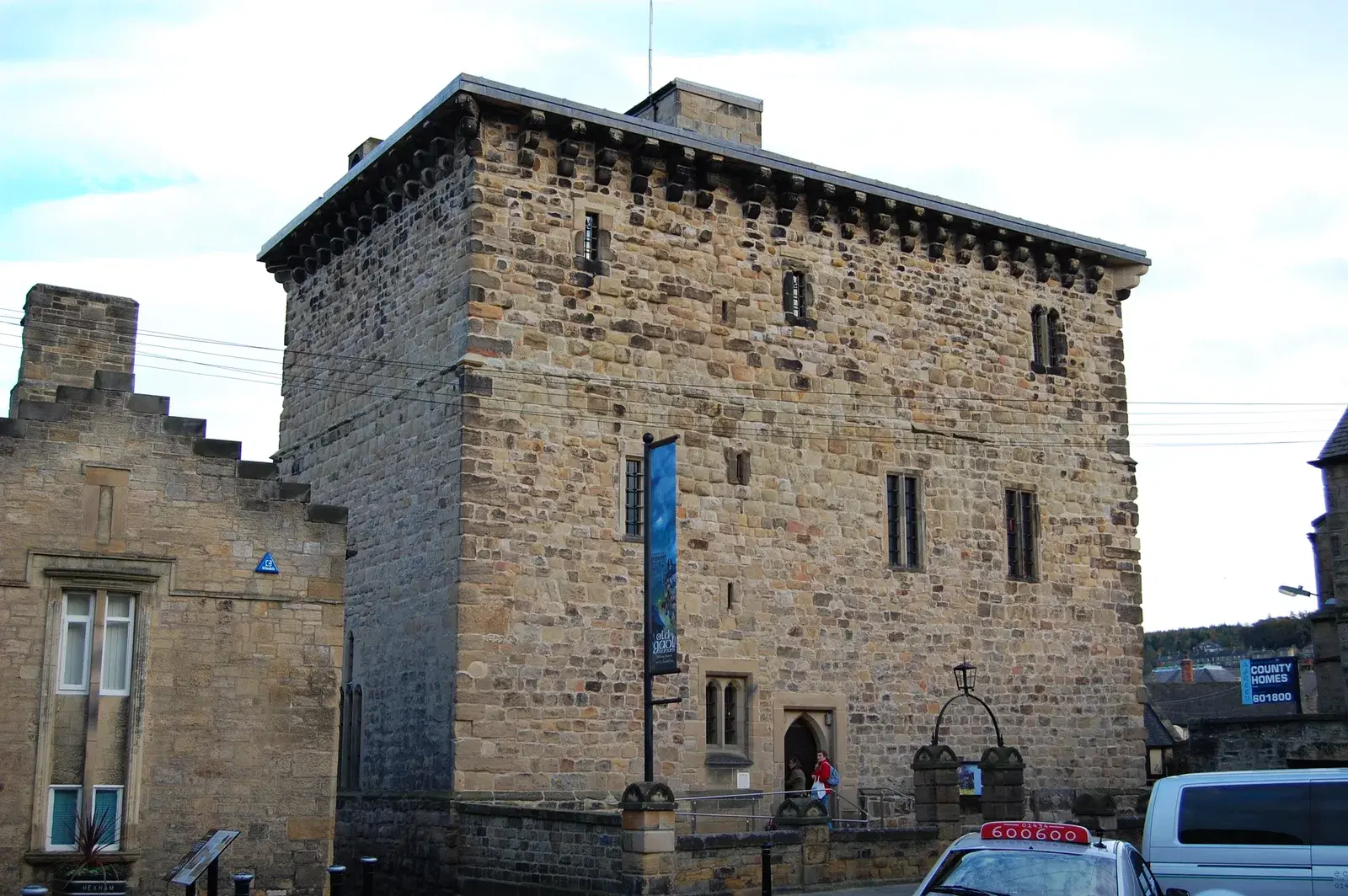
Hexham Old Gaol: England's First Purpose-Built Prison
Built in 1333 from Roman stone, Hexham Old Gaol is the earliest recorded purpose-built prison in England, now an atmospheric museum.
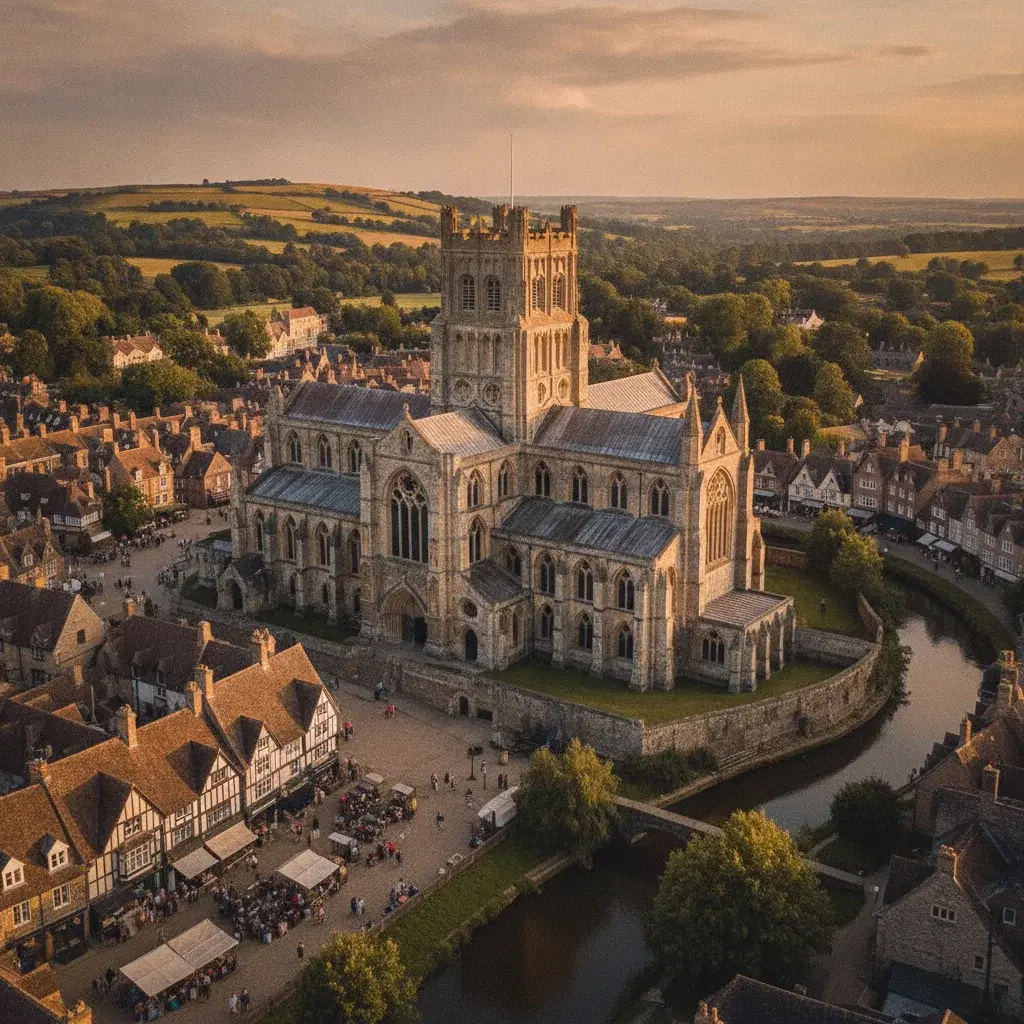
History of Hexham
From St Wilfrid's Saxon abbey to the Border Reivers, the Battle of Hexham, and the arrival of the railway, 1,300 years of history.